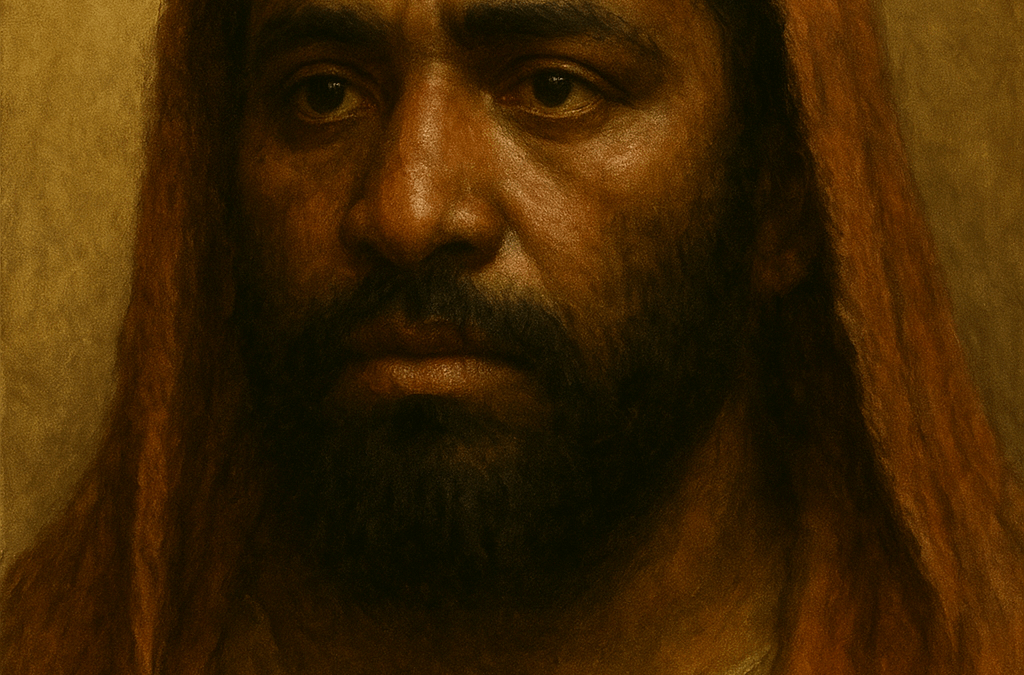
Was Jesus a Jew or a Christian? The Historical Answer — and Why It Matters
He was born Jewish, lived as a Jewish rabbi, taught from the Hebrew Scriptures, and died as a Jew. His disciples were Jewish. His earliest followers were Jewish. Christianity began as a Jewish renewal movement within first-century Judaism.
Understanding this historical reality clarifies both the origins of Christianity and the ethical foundation of Christian leadership today.
When I ask leaders, “Was Jesus a Jew or a Christian?” responses are mixed. Many assume “both.” Some hesitate. But historically speaking, Jesus was Jewish. Christianity did not yet exist during his lifetime.
Why does this matter? Because forgetting Jesus’s Jewish identity distorts theology, weakens ethical leadership, and fuels harmful divisions.
Was Jesus Jewish? What the Historical Record Shows
Jesus practiced Judaism.
He:
- Worshiped in synagogues
- Observed Jewish festivals
- Interpreted Torah as a first-century Jewish teacher
- Engaged in rabbinic-style debate
After his death, his followers continued practicing Judaism for decades. The early Jesus movement was understood as a renewal movement within Judaism — not a separate religion.
Only gradually did Gentile inclusion reshape the movement into what became Christianity.
Christian faith did not replace Judaism. It emerged from it.
Was Jesus Opposed to the Pharisees?
A common misconception is that Jesus stood against “the Pharisees.”
Historically, the Pharisees were a lay renewal movement focused on ethical practice, holiness in daily life, and faithful interpretation of Torah. Their aim was to bring spiritual depth into ordinary living.
Jesus operated within this same renewal conversation.
The debates recorded in the Gospels reflect internal Jewish disagreements about interpretation — not a rejection of Judaism itself.
Seeing Jesus as anti-Jewish is historically inaccurate and theologically dangerous. He was participating in renewal, not launching a new religion.
Christianity Began as a Jewish Renewal Movement
The earliest followers of Jesus did not abandon their Jewish identity.
They:
- Continued observing Jewish customs
- Gathered for prayer and teaching
- Interpreted Scripture through the lens of love of neighbor
- Practiced radical generosity and ethical accountability
This is how renewal movements begin — by deepening commitment to core values, not discarding them.
Christianity’s roots are grounded in Jewish ethical teaching, including the command to love one’s neighbor and pursue justice.
Why It Matters Today
Forgetting that Jesus was Jewish has real consequences.
When Jesus is portrayed as standing against “the Jews,” it fuels anti-Semitism and reinforces divisive narratives.
More broadly, when reform movements position themselves as morally superior rather than rooted in shared ethical foundations, polarization deepens.
Jesus modeled renewal from within tradition — not destruction of it.
Leaders today face similar challenges: how to engage necessary reform without demonization, how to pursue justice without abandoning humility. In Creating a Culture of Renewal®, we help leaders move from fear-driven reaction to courageous, spiritually grounded action.
Renewal requires remembering our roots.
What Leaders Can Learn
If Jesus was a Jewish reformer participating in a renewal movement, faithful leadership today includes:
- Engaging tradition thoughtfully rather than rejecting it reflexively
- Practicing courageous ethical clarity
- Avoiding tribalism and dehumanization
- Anchoring reform in love of neighbor
The earliest Jesus movement expected transformed lives. It practiced spiritual formation through relationship, immersion, and shared accountability.
That model remains powerful.
The Bottom Line
Jesus was Jewish. Christianity began as a Jewish renewal movement. That historical truth strengthens theological clarity and ethical leadership.
When we remember our roots, we recover our responsibility — to justice, humility, and the repair of what is broken.
Renewal does not begin with separation.
It begins with returning to the heart of our faith.
If you want to explore how renewal takes shape in real communities, learn more about how Christian ministries are achieving success.
Adapted and excerpted from The Jew Named Jesus:Discover the Man and His Message, Rebekah Simon-Peter, 2013.
Copyright © 2026 rebekahsimonpeter.com. All Rights Reserved.