
Earth Rise and the Power of Resurrection

Earth Rise and the Power of Resurrection

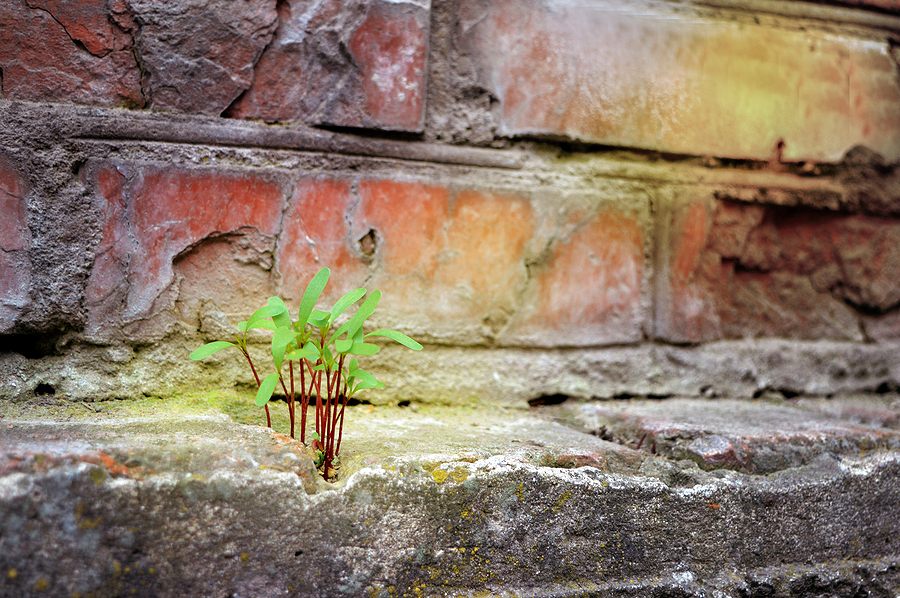
Spring is a time of renewal and rebirth in the Northern Hemisphere. As the earth wakes up from its winter slumber, new life bursts forth everywhere. Spring is the perfect backdrop to the Christian celebration of Easter. The 40 Day Lenten season that leads to Easter begins with short days and chilly weather. It culminates in warmer, light-filled days of spring with a joyous celebration of Resurrection: the triumph of life and love over death and darkness. The natural processes of the Earth and the spiritual message of Easter seem to be intimately connected.

However, the Earth and Easter are even more closely connected than they seem. It’s not just the calendar that connects them; it is God’s uplifting presence that unite the two. Let’s take a closer look at Earth Rise and the Power of Resurrection.

The Heavens and the Earth Reflect God’s Love

In the Book of Genesis, God creates the heavens and the earth over six days, and declares each day good, even very good.  (Genesis 1:31). God’s Creation is fruitful, diverse, and complex; it sustains a vast variety of life. From the towering mountains to the tiniest wildflowers to the multitude of stars in the sky, to the human family—all of Creation reflects God’s love. Like the Creation itself, this love is uplifting and enduring.

As much as we feel God’s presence in the Creation, it’s not until you get a picture of the whole of the Earth in the Heavens that you realize just how magnificent is God’s creation, and God’s love. For humanity as a whole, that day came in 1968.


Earth Rise and Resurrection

In 1968, the Apollo 8 mission sent astronauts around the moon. As the astronauts emerged from the dark side of the moon, they were greeted by an unexpected sight. They saw the Earth rising over the moon like a brilliant blue and white marble, set against the blackness of space. This awe-inspiring image, captured in the photograph dubbed “Earth Rise,” has had a profound impact on our spiritual understanding of God’s creation.

Seeing ourselves as inhabitants of a single, fragile planet fostered a sense of global community and a newfound respect for diverse cultures and religions. Interfaith dialogue flourished as we realized our shared connection to Earth. First time protections for the Earth were born. Earth Day, the Clean Air Act, the Clean Water Act, and even the Environmental Protection Agency were all launched as a result of this stunning view of Earth. Shortly thereafter the war in Vietnam ended. All of this was influenced by the views that came back from space.

The concept of “heaven” also took on new meaning. The promise of a “new heaven and new earth” began to be seen not as an afterlife destination but as a future where heaven and Earth are reconciled; where people live in peace with one another in the here and now.

The Easter message of Resurrection resonates even more deeply when viewed through this lens. Salvation isn’t just about going to heaven after death; it’s about creating a heaven here on Earth, a world filled with harmony between God, creation, and humanity.


Showing Our Love Back to God

Through the Creation we experience God’s love and nearness. The sunrise, a babbling brook, a field of wildflowers – all these things bring joy and wonder to those who experience them. We, too, can show our love for God’s creation by cherishing and protecting it. Loving and caring for one another and for the Earth demonstrates our respect for our one shared home. Rejoice in the beauty of the earth, yes. Pray for the earth and her peoples, yes. Reduce, reuse, and recycle, yes. Also, pay attention to industrial and energy processes that impact the earth, and harm the climate. Find alternatives to war. In all these ways, we show our love for God, our respect for Resurrection, and our gratitude for this beautiful earth we call home.


A Time for Celebration

As we celebrate the Easter season, let us also give thanks for the wonder of God’s creation and our place within it. As Martin Luther said, “Our Lord has written the promise of Resurrection, not in books alone but in every leaf of springtime.” Let us show our love for God by becoming better stewards of Heaven and Earth. Read more about how to do this in Green Church: Reduce, Reuse, Recycle, Rejoice! and 7 Simple Steps to Green Your Church. Or reach out for a personal conversation on how to develop your vision of a new heaven and a new earth.

Happy Easter!


Copyright © 2024 rebekahsimonpeter.com.  All Rights Reserved.
4 Ways to Make the Best of the Next Crisis

4 Ways to Make the Best of the Next Crisis

The past four years have forever put to rest the notion that churches can’t flex and adapt. In fact, the pandemic showed that churches could successfully pivot on a dime. Increased adaptability, resilience, and creativity were all positive outcomes. For this reason, many churches did not suffer the losses that might have been expected during such drastic change. We’re not done with crisis, though. We have a contentious presidential election before us, the impacts of AI, and ongoing structural inequities. The second largest Protestant denomination in the US (the UMC) recently lost 25% of its churches during a split. How can you be ready for the next calamity? Read on for the 4 ways to make the best of the next crisis.


Are the Best Days Behind You?

Before I share the 4 ways to make the best of the next crisis, let’s address one persistent stumbling block, head on. This stumbling block is the belief that crisis means the best days are behind you. That the future is no longer hopeful. And that it’s all downhill from here. This belief becomes a roadblock to recovery. It prevents you from seeing new opportunities and unexpected openings, or to sense God’s blessing around you.


We Had Entered Into the Best Days of Our Ministry Yet

I hate to admit it, but when the pandemic shutdowns first began it felt like the end of the world to me. How will we get through this when community is what we most need, I wondered? How will my ministry survive when we have depended on in-person gatherings? I was quickly losing heart. But I began to speak to friends who were starting new jobs, getting promotions, and even moving across country. It was a jarring sense of abundance amidst a narrowing of my own vision. It prompted me to catalogue the following guidelines. My team and I met, and figured out a way to put everything online. And we had entered into the best days of our ministry yet.

Here are the four guidelines that we followed, that allowed us to not only survive, but thrive, in the midst of very tough times.


4 Ways to Make the Best of the Next Crisis

1) Learn from The Past

During the pandemic, many churches quickly moved online. They distinguished between owning a building and being the church. Church leaders and members expanded their sense of agency and acted quickly in the face of need. In fact, the pandemic did for congregations what they could not do for themselves. In a pinch, churches finally made the changes that they had needed to make for decades.


 2) Reframe the Negative

A pandemic seems like a negative. Same with waves of disaffiliations and the loss of congregations. Same with contentious presidential politics. And AI. And persistent inequities. But what if each of these crises actually carry the seeds of innovation? What if each of these challenges carry within them the genesis of blessing? When you actively choose to reframe the negative, the positive can appear that much sooner. Being on the lookout for blessings allows you to innovate with speed. This is part of tapping into Jesus’ miracle mindset.


3) Build on New Strengths

A leader that I coach had to navigate lawsuits, file appeals, and appear in court as disaffiliations took on dimensions he couldn’t have anticipated. This leader is tired, yes, but stronger and smarter than ever. Each crisis will draw on skills you already have, even as you build new strengths.


 4) Take Ownership

In a crisis, it can be easy to feel like a victim. Especially when things aren’t going your way. The best way to get through a crisis is to take ownership of what is yours to do. No, you can’t change all the circumstances around you. But you can take ownership of your feelings, your mindset, your reactions, and your prayer life. This will take you a long way toward being more effective and more resilient.


Next Steps

As we look towards Holy Week, remember the God of miracles. Jesus caused the blind to see, healed the leper, and cast out demons. Your crisis is not big enough to stop the God of miracles. Unless you insist on staying stuck.

As we approach the days ahead, let us grow in resilience as we practice 4 ways to make the best of the next crisis. Cultivating resilience in your congregation and your life is possible. It calls for conscious leadership. Come to Elevate Your Ministry: An Introduction to Conscious Leadership to learn about the importance of mastering your mindset, awakening your spirituality, and becoming an intentional visionary.


If you want input on your ministry, click here for a free one-on-one 45-minute Discovery Session with me.


Copyright © 2024 rebekahsimonpeter.com.  All Rights Reserved.

3 Ways You Can Adopt Jesus’ Miracle Mindset

3 Ways You Can Adopt Jesus’ Miracle Mindset

Jesus was best known as a miracle-worker. In fact, the Gospels report that Jesus performed a total of 37 miracles in 3 short years. And those are just the miracles that were recorded. That’s more than one miracle per month. Wouldn’t it be great if your church could be known for miracles too? I’m not talking about TV evangelist-style miracles. I’m talking about your church being a place where the seemingly miraculous becomes a regular occurrence. The Spirit moves during worship. Bible studies transform lives. Prayers are answered. New worshipers return again and again. Baptisms outnumber burials. The community turns to you as a trusted partner. Money is available in abundance. Vision sets the agenda for meetings. For most churches, this state of affairs would indeed be miraculous. In this article I’m going to explore 3 ways you can adopt Jesus’ miracle mindset so that renewal becomes a reality.


Why Do Churches Lose a Miracle Mindset?

Survival has become a key feature of church culture in decline, along with resignation, resistance, and reluctance. That’s because they have let Jesus’ miracle mindset lapse. They wouldn’t mind if a miracle happened, they just don’t orient themselves toward participating in it.  The further away a church is from being dream-driven and vision-led, the further away it is from Jesus’  miracle mindset. A culture of renewal, on the other hand, is a culture that is identified by miracles.


The Myth that Faith is No Longer Required

A myth that is crippling church vitality is the myth that faith is no longer required when it comes to decision-making or missional activity. Or that the miracles are unrealistic. The inherent problem with these myths is that people rise to the level of expectation you set for them. So if faith is no longer required for the effective functioning of the church, or miracles are deemed impossible, then you have effectively lowered expectations to a comfortable level. That spells death for vitality because lowered expectations means that people have nothing to rise to. Let go of this myth before it cripples the church.


Adopt a Miracle Mindset

Last month, I was speaking with a group of clergy eager to be encouraged in this season of stress. One question I was asked has stuck with me. “If you could do just one thing to help a church get ready to change, what would you do?” I thought about it and said, “I would adopt a miracle mindset. A miracle mindset is what helps us align with Jesus’ intentions. Talk about the miracles. Pray about the miracles. Lift up the miracles in worship and in prayer.” This isn’t the answer the clergy expected. However my answer spurred a lot of discussion about how the church has lost hope in the God of Miracles.  One pastor commented that she wanted to do a sermon series on Jesus’ miracles, stating that as a more progressive congregation they hadn’t given the miracles much thought lately. I get it. However, no matter your views on science, faith, and biblical inerrancy, returning to the realm of the miraculous is a deep reservoir of inspiration from which to draw hope and renewal.


3 Ways You Can Adopt Jesus’ Miracle Mindset

  1. Stop complaining. Complaining signals that things aren’t good, that you are dissatisfied, that things aren’t working and that they aren’t going to work out. The trouble with complaining is that you will not notice the movement of God or the unfolding miracles around you. Please note that when I say to stop complaining, I’m not saying don’t address problems like racism or sexism. But complaining isn’t the same as taking action. It’s just making noise. As one pastor aptly noted, “There comes a time in which critical thought unfettered leads to cynicism.”


  1. Personalize the Miracle Stories. Choose 3 miracles of Jesus and personalize them, inserting either your name or the name of the church for the protagonist. Listen for how the miracle speaks to you in a new way. Let Jesus invite you into the story, and prompt you on next steps.


  1. Say Yes to the Prompting of the Spirit. One way I know that God is inviting me to participate in the miraculous is when I get a seemingly random thought. I used to shoo these thoughts away, considering them annoyances. Once I began to pay attention to them, I was able to participate with God in some greater unfolding.


NEXT STEPS

Finding a new aspiration for your church is possible, and it doesn’t mean lowering expectations about faith and miracles. But it does call for Conscious Leadership. Come to Elevate Your Ministry: An Introduction to Conscious Leadership to learn about the importance of mastering your mindset, awakening your spirituality, and becoming an intentional visionary.

If you want input on your ministry, click here for a free one-on-one 45-minute Discovery Session with me.


Copyright © 2024 rebekahsimonpeter.com.  All Rights Reserved.

The 3 S’s of Re-Building Community

The 3 S’s of Re-Building Community

Welcome to the next normal in which people are more disconnected and more polarized than in previous generations. And more lonely. Yet the need for belonging is at an all-time high. That’s why I have been exploring what I call the 3 S’s of Re-Building Community: being social, being spiritual, and being of service.


The Problem of Institution

You may have heard that the church as an institution is over. After all, the nones and dones are increasing while the number of religiously affiliated are decreasing. Generally, giving, worship attendance, and missional engagement have dipped post pandemic. Pundits tell us that the church as we know it is over. Maybe. Maybe not.


The Myth You Don’t Have What it Takes

You may believe there is nothing you can do to attract and serve people. But, don’t believe the myth that the church doesn’t have what it takes to reach people. Nothing could be further from the truth.


I Have Seen Vitality Surge

For the last 13 years I have been empowering church leaders to create cultures of renewal. In their ministry settings, I have seen leaders create supportive and social spiritual communities. These communities are combating the loneliness pandemic. Happiness is expanding and stronger social bonds are being built. I have also seen vitality surge when churches move from talking about God to incorporating direct experiences with the divine.

Finally, we see giving, worship attendance, and missional engagement all go up when you engage with your community. It creates a culture of renewal.


Why the 3 S’s of Re-Building Community

It’s Biblical:

Our call to build community is woven into the very fabric of our faith. The Great Commandment calls us to love God with all our being and to love our neighbors as ourselves. This love, by its nature, compels us to connect with others, and to support one another.

Additionally, the Great Commission instructs us to “go and make disciples… teaching them to observe all that I have commanded you.” Building communities allows us to fulfill this commission more effectively, offering a space for learning, growth, and spiritual guidance.


It’s Cultural:

This model of rebuilding community resonates deeply with today’s culture, especially millennials. Millennials sometimes get labeled as disinterested in traditional institutions like the church. The reality is more nuanced. They may not seek out spirituality in the same way as previous generations, yet millennials crave meaningful connections, personal growth, and a sense of purpose. Millennials are also passionate about making a positive impact on the world. They also often face social isolation despite being actively connected online.

Invite millennials into your spiritual community to build genuine in-person relationships with like-minded individuals. This counteracts the loneliness and isolation commonly reported by this generation.


It’s Workable:

Alcoholics Anonymous has been incredibly successful in building strong communities of support for its members using the 3 S’s of Re-Building Community. Churches can learn a lot from AA about how to build communities that are welcoming, supportive, and life-changing.


  1. Shared social time: AA groups provide opportunities for members to socialize and build relationships outside of structured meetings. This could involve attending picnics, going bowling, or simply grabbing coffee after a meeting.
  2. Deep focus on a spiritual path: While AA is not affiliated with any particular religion, it does emphasize the importance of a spiritual path. This shared focus on spirituality provides a sense of purpose and direction for members.
  3. Helping newcomers and serving the community: AA places a strong emphasis on helping newcomers and giving back to the community. Newcomers are warmly welcomed and sponsored by experienced members who provide guidance and support. This focus on service to others fosters a sense of shared responsibility and strengthens the sense of belonging.


Next Steps

This simplified approach to rebuilding community is easy to implement. Find the ways you are already being social, being spiritual, and being of service. And imbue them with extra intentionality.

The more you increase engagement in the 3 S’s of Re-Building Community, the stronger your community will be. But there is more to leadership than doing. These times call for Conscious Leadership. Come to Elevate Your Ministry: An Introduction to Conscious Leadership to learn about the importance of mastering your mindset, awakening your spirituality, and becoming an intentional visionary.

If you want input on your ministry, click here for a free one-on-one 45-minute Discovery Session with me.


Copyright © 2024 rebekahsimonpeter.com.  All Rights Reserved.

The Hidden Healing Power of Serving Others

The Hidden Healing Power of Serving Others

Many of our communities have been fractured by contentious issues: politics, immigration, abortion laws, gun rights, issues of human sexuality, and racial justice. The church used to be a place where healing could happen. Yet these days even churches have been caught up in the crossfire.

What does it take to rebuild community in light of post-pandemic and post-disaffiliation realities? In this article I want to explore the hidden healing power of serving others for fractured communities and congregations.

But first, let’s examine a problematic dynamic that keeps churches from employing this hidden healing power of serving others.


When You Lose the Connection To Your Community

When churches lose momentum, they become increasingly inward focused. A great deal of energy is focused on simply surviving. There is little energy left for outreach or meaningful engagement with the community. Perhaps they feel they don’t have the people, the right age group, or the resources to truly engage their communities. However, when a church keeps its inward focus, it loses its raison d’être, its call, and its mission. It loses a connection with the community it is called to serve.


You Can’t Be All Things to All People

While even small churches are eager to be of service, they are up against one dangerous myth. That is the myth that churches have to be all things to all people. Therefore, they don’t try. Or they spread themselves too thin. I want to relieve you of this dangerous myth. Choose one way of being of service and stick to it. You’ll have a much bigger impact this way.


I Had to Choose One Thing and Do it Well  

After I left local church ministry and started my own teaching ministry, I tried to be all things to all people. I wanted to lead workshops on every single thing I knew anything about: healing from trauma, recovery from addiction, creating multi-cultural relationships and community, the Jewish roots of Christian practice, emotional intelligence, and leadership development. I don’t need to tell you that this approach to serving others was not sustainable. Physically, I was worn out. Emotionally, I was stretched too thin. Spiritually, I didn’t have a cohesive mission. The bottom line was that I couldn’t be all things to all people. I was on the edge of the burnout that I left the local church to avoid! Instead of trying to be all things to all people, I had to choose one thing and do it well.

Now that I have learned to focus on where I can have the most impact, each and every year dozens of big, bold visions come to life through Creating a Culture of Renewal®. I get to minister to church leaders and watch them come together to build these visions and be of surprising service to their communities.


Put Out the Welcome Bench

My local church, First United Methodist Church in Casper, WY, has found the hidden healing power of serving others.

First UMC is located downtown in an area where many unhoused or unemployed people congregate. Instead of pushing these folks away, as many downtown businesses and city councils do, First UMC put out the welcome bench instead. The Trustees placed first one, then a second, park bench next to an external electrical outlet so others could easily re-charge their cell phones. Without feeling like they were stealing or loitering. Now, with working cell phones they can stay connected to loved ones, job opportunities, and the world at large.

Next, First UMC invited the Salvation Army to set up its mobile healthcare clinic in the church parking lot twice a month. The church has also repurposed a second location to launch a navigation center, Kind Grounds, to connects people and resources. Their end goal? Homelessness itself is a transient phase of life, not a long-term lifestyle.

Meanwhile, classrooms in the church basement are filled many nights each week with 12-step meetings. Recovering addicts, and those who love them, have a safe and welcoming place to get off drugs, deepen their spirituality, and rebuild their lives.

The hidden healing power of serving others is spreading out into the larger community. Instead of feeling invisible, unwanted, or pushed away, the unhoused folks are building a stronger sense of belonging to the community, Meanwhile, the church is building a stronger commitment to hospitality. Compassion for those with different life experiences is more present than ever.

As a result, worship attendance has not only increased, it has diversified.  As has its community mindset.

And to think, it all started with serving others who needed easier access to an electrical outlet.


How You Can Tap into the Hidden Healing Power of Serving Others

Building community around the hidden healing power of serving others takes a new kind of leadership ethos. It takes Conscious Leadership.  Conscious leadership is the capacity to master yourself in relationship to others, tap into your soul’s spiritual intelligence, and employ the courage of vision. If you want to discover how you can become a more conscious leader, then please join me in a free 60-minute seminar, Elevate Your Ministry: An Invitation to the Power of Conscious Leadership. Or, if you want input on your ministry, click here for a Discovery Session.


Copyright © 2024 rebekahsimonpeter.com.  All Rights Reserved.

Spirituality is the Key to Re-Building Community

Spirituality is the Key to Re-Building Community

In a world where loneliness is rampant but religious affiliation is down, many churches face the urgent question: How do we reach people who are longing for connection and meaning? This blog explores the intriguing possibility that focusing on deepening spirituality is the key to re-building community in the post-pandemic church.


What We Are Doing Is Not Sufficient

People have been quietly quitting the church for decades. Even before the pandemic. The spiritual but not religious have been letting us know for years that what the church offers is not sufficient. It is leaving needs unmet. People are looking for something more. Rather than fearing or dismissing the message that the spiritual but not religious have communicated by leaving the church, let’s learn from them instead. They’re signaling the need for a shift in church culture we can all benefit from. That’s why I’m writing about how spirituality is the key to re-building community.

Yet, before we look at how the church can re-build community through spirituality, we need to dispel a common myth. This is the myth that the church already “does” spirituality.


The Myth That “We Already Do” Spirituality

Many church worship experiences excel in talking about God, or Jesus, or the Holy Spirit. They tell stories and teach lessons related to God. This is good as far as it goes. However, for many people who are hungry for God, this does not go far enough. There is a difference between talking or singing about God and actually experiencing the presence of God. Now, it’s not that God, Jesus, and the Holy Spirit are absent from worship. They are not. It’s that no space is left to intentionally experience their divine presence.


Spiritual Affiliation Has Increased

People assumed that when the pandemic ended that people would automatically return to church and sanctuaries would be full. That didn’t happen in most congregations. In my book, Forging a New Path, I compared COVID-19 to the Bubonic Plague. The plague’s impact on medieval Christians taught us how crises often lead to new ways of connecting with the divine. When traditional structures faltered in medieval Europe, lay movements and personal encounters with God flourished. In fact, the spiritual but not religious movement was born. This is an interesting historical parallel to where we are right now in our post-pandemic world.

Then as now people yearn for meaning and purpose. Yet, then as now, the church wasn’t providing the experience of the divine. This presents an opportunity: Study after study shows that humans are hardwired for meaning and purpose. Both our souls and our cells are created to experience the transcendent. Even non-religious people are wired for ultimate purpose and meaning.

This is good news. The God of the Bible is a God of direct encounters. We can reclaim this aspect of the Bible and guide people towards direct encounters with God today. This shift will benefit everyone, including those who are already part of our congregations, and those who are not.


What is Spirituality?

We talk a lot about being spiritual. But what does it really mean? I like to turn to a well-known passage in Ezekiel (37:1-10) that speaks of Ezekiel’s vision of dry bones coming alive through God’s breath. You may recall that in both Hebrew and Greek, the word for breath is also translated as Spirit. Thus, spirituality is being aware of God’s very real presence within us. A presence that is as real and as immediate as the breath.

In Christianity, spirituality may be expressed in three forms: personal, communal, and visionary spirituality.

Personal Spirituality is experiencing God’s presence in a way that fosters a sense of individual worth and belonging. As you engage in personal spirituality, you come away with the distinct sense that “I matter.”

Communal Spirituality is participating in a community that is founded in personal spirituality and woven together by increased love and support. As you engage in communal spirituality, you gain the distinct sense that “we matter.”

Visionary Spirituality is recognizing the collective impact that your lives can have on others. This awareness then becomes a shared mission. As you engage in visionary spirituality, you gain the distinct sense that “y’all matter.”


Re-Building Community

By listening to the “spiritual but not religious” movement and cultivating authentic spiritual experiences, the church can re-build a sense of community. This doesn’t require abandoning tradition, but rather reclaiming what has always been part of the church’s tradition: direct experiences with the divine. As you create spaces for individuals to connect with God and each other in meaningful ways, be prepared for a fresh wind of the Spirit.

By embracing the power of personal, communal, and visionary spirituality, the church can lead the way in re-building a sense of community and of belonging. I would love to hear your thoughts or questions on spirituality as the key to re-building community in post-pandemic and post-disaffiliation churches. Sign up for a discovery session here.

I have one more option for you. If you want to discover how you, too, can tap into your soul’s spiritual intelligence as a conscious leader, then please join me in a free 60-minute seminar, Elevate Your Ministry: An Invitation to the Power of Conscious Leadership. In this seminar I will introduce you to a new program that I am very excited about, Conscious Leadership! Come discover how you can move towards Jesus’ call of being Salt and Light for the those around you.


Copyright © 2024 rebekahsimonpeter.com.  All Rights Reserved.