
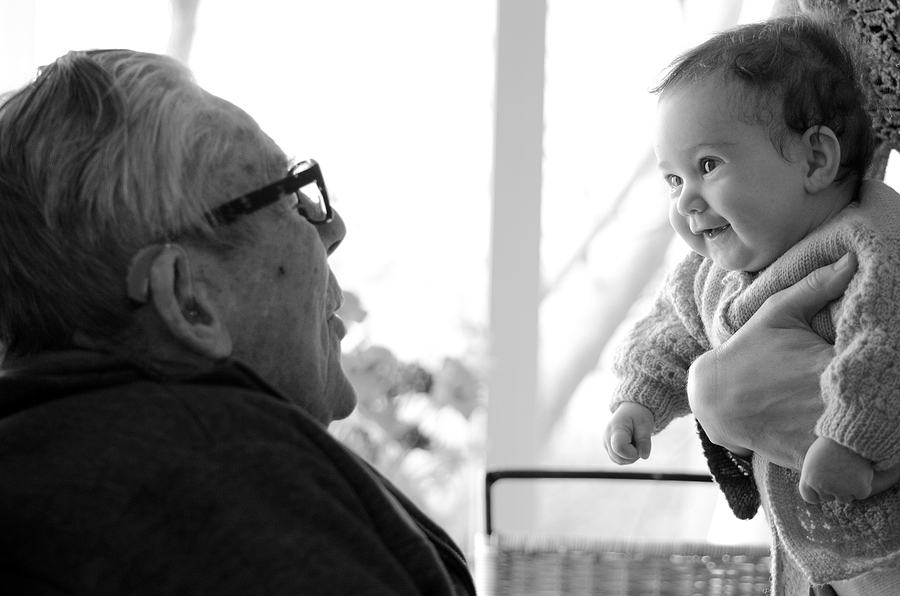
We know that there are significant benefits to younger generations interacting with their predecessors. Children learn empathy and compassion from their elders. And the little ones bring energy, joy and fresh perspectives to the senior generations.
Older children and teens, too, benefit from intergenerational activities. Youth can sometimes feel a little left out – too old for the extra attention given to the littles, but not yet able to take part in adult activities. Their experiences with the elderly are essential and can create lifelong friendships.
Sadly, except in grandparent/grandchild situations, the two ends of the age spectrum – those closest to birth and those closest to death – rarely interact. To the detriment of both groups.
Before I suggest ways to create a more vibrant church community, let’s expel a common myth about the generation gap. The myth that this gap makes it impossible for younger and older people to work together effectively.
Cross-Generational Conundrum
The idea that the generational gap in churches makes it impossible for younger and older people to work together effectively can manifest in beliefs like:
- Younger generations aren’t interested in church: This overlooks the many young people who are actively involved in faith-based activities and service.
- Older generations don’t understand new ideas: This ignores the many older adults who are open to new approaches and value the energy younger people bring.
- They have different communication styles: While there may be some differences, open communication and a focus on shared goals can bridge these.
This myth can be harmful because it hinders collaboration and prevents churches from benefiting from the strengths of all age groups.
A Multi-Generational Shift
We may be comfortable doing comfort ministries, but will that cut it when it comes to creating vibrant, multi-generational congregations? The truth is, we HAVE multi-generational congregations; they just aren’t necessarily vibrant. And sometimes, we have clusters of generations at opposite ends of the age spectrum with large gaps in the middle.
It takes a special kind of emotional intelligence to work with multiple generations. Many church leaders have learned this skill for their own congregations in my three-year leadership development program, Creating a Culture of Renewal®. One of these leaders, Rev. JoAnne Holder of Mt. Plymouth African Methodist Episcopal Church in Felton, Delaware, came into Creating a Culture of Renewal® wanting to adopt and adapt her leadership style to better serve her congregation and community.
After completing her first year in the program, Rev. Holder learned that her congregation, with congregants ranging in age from 90 years to 5 years, were very eager to be in worship, to learn about the Lord, and to learn from each other. Rev. Holder applied what she learned about emotional intelligence across generations and as a result “I believe I have become a better leader and can happily report that we are growing again.” Rev. Holder uses challenge ministries to connect the multiple generations in her church, and the result has been a vibrant change to the culture of the worship community.
Creating Connections
You likely have multiple generations in your pews. But are they all as engaged as they could be? Especially your elders and little ones? Do they feel like the service is for them?
And, what about after the service is over? Or throughout the week when shut-ins, especially, can feel cut off and lonely? Feeling a part of their spiritual community is essential to good mental health and happiness.
Let’s look at some effective ways to connect the intergenerational dots:
1) Try pairing older, reading-aged children with seniors for scripture readings or announcements. This gives each of the pair an important role in your service, and your congregation a less structured, more relaxed, experience.
By practicing the readings together, intergenerational bonds of friendship and connection start to grow.
2) If you typically do a “children’s church” lesson, share the practice with some of your senior congregants. Let them choose the lesson and how they’ll present it. Encourage them to be creative and find skills to teach the younger generations.
3) If you have coffee and donuts after worship in your fellowship hall, gather a youth volunteer team to help. Have them serve your seniors, especially those alone or widowed.
And not just serve them but sit with them and chat! Have them get to know each other as people.
4) Try a monthly craft time. So many seniors have valuable arts and crafts skills they can teach the children and youth. Then they can share their creations with a local nursing home, or those in the hospital.
Learning the joy of giving is an invaluable gift for a child. One that can last a lifetime.
5) There are many invaluable everyday skills that senior congregants have knowledge of and can pass on. This could look like gardening, baking and cooking, or even teaching the children how to fix a leaky faucet or do a load of laundry.
6) And don’t forget your shut-ins. All of your church’s elders won’t be there on Sundays, in the Fellowship Hall, or engaging in church activities. Have your older children and youth visit shut-ins with the help of parents or guardians. Stress the importance of being good listeners while sharing their own life experiences. They can bring some of the crafts they created as gifts.
Bring the littlest ones along to share their joy. A bubbling baby can turn a shut-in’s lonely day into a cherished memory.
Bridging the generation(al) gap can make a world of difference to both ends of your congregation’s age spectrum. And not only for them, but for the health, growth, and transformation of your ministry and congregation. I’d love to hear how these, or your own intergenerational ideas, worked in your church!
Christian ministries are growing and transforming their congregations and communities in amazing ways. Find out more through my free seminar “How Christian Ministries are Achieving Success”.
Copyright © 2024 rebekahsimonpeter.com. All Rights Reserved.




0 Comments