
Comfort and Challenge – A Ministry Balancing Act

Comfort and Challenge – A Ministry Balancing Act

Church growth is a complex and multifaceted process, but at its core, it involves creating a skillful balance of comfort and challenge. The art of church growth lies in the ability to present the comforting love of Jesus Christ while simultaneously challenging congregation members to grow in their faith, as well as their commitment to the engagements of the church. This ministry balancing act, offering both comfort and challenge, inspires spiritual growth, fosters community, and facilitates the expansion of the congregation.

Church leaders must understand their congregation and its culture to achieve this balance. For example, a church in an urban area may have members more open to lobbying community leaders and organizations for social change. In contrast, a congregation in a rural area may be more apt to focus on outreach by providing nurturing ministries. Knowing the culture of your congregation allows you to present challenges that are appropriate for your members, making them more likely to respond positively.


Inner-Focused and Outer-Focused Ministries

Church ministries generally fall into one of two categories: inner-focused or outer-focused. Inner-focused ministries nurture the congregation from within, while outer-focused ministries extend the church’s influence beyond its walls to tackle societal issues. In Creating a Culture of Renewal® we empower church leaders like you to achieve this essential ministry balancing act between comfort and challenge.

An overemphasis on inner-focused ministries can lead to complacency within the congregation, causing stagnation. This creates an insular community, disconnected from the reality of the world just outside the church’s doors. Conversely, giving attention only to outer-focused ministries may lead to burnout among congregation members, draining them spiritually and emotionally. It can also result in a neglect of the congregation’s spiritual needs.

Echoing Jesus’ example of compassionate mercy and prophetic justice, both types of ministries hold immense importance. By embracing this balance, you pave the way for a comprehensive ministry approach that caters to both congregational needs and broader societal concerns. Here’s how.


Balancing Comfort and Challenge Ministries

The rate and severity of natural disasters are increasing around us. You can address the needs of those impacted by natural disasters by using a two-fold approach. First, offer comfort to those hit by a natural disaster – whether flood, fire, hurricane, tornado, mudslide, or earthquake – by meeting their immediate needs. Tap into ministries that create flood buckets, collect first aid supplies, or rebuild homes or churches in the face of these disasters. These expressions of mercy will go a long way toward offering comfort.

Second, address the root causes of natural disasters. For example, flooding is made far worse in developing countries when garbage dumps clog urban drainage systems. Join cleanup efforts to restore unhindered storm water runoff. You can also join tree planting initiatives in deforested areas, thereby preventing future mudslides. Through this long term approach to change, many lives can be saved by restoring Earth’s natural ecosystems.


The Need for Balance

A thriving church must have a healthy mix of both comfort and challenge ministries. To hit this sweet spot, take the following six steps:

  1. List your current ministries. Which would you categorize as comfort-oriented (inner-focused or compassionate mercy), and which are challenge-oriented(outer-focused or prophetic justice)?
  2. Is there a notable imbalance between comfort and challenge-oriented ministries? Note which type dominates.
  3. What resources (human, financial, physical, etc.) do you currently have that could be directed toward developing new comfort or new challenge ministries?
  4. Who has skills or experiences that might be beneficial in leading or contributing to these new ministries?
  5. Are there opportunities to partner with other churches or community organizations to enhance your efforts?
  6. Choose one or two ministries to develop that will balance out your mix of ministry offerings.


Balancing comfort and challenge ministries will fuel growth, drive positive change, and strengthen connections within your congregation and community.

If you want to learn more about how to lead this kind of change, join me for my upcoming seminar, “How Christian Ministries are Achieving Success: An Introduction to Creating a Culture of Renewal®.” Please share your thoughts in the comments and connect with us for a one-on-one conversation. Let’s embark on this transformative journey together.


Copyright © 2023 rebekahsimonpeter.com.  All Rights Reserved.

How to Lead with Influence and Impact

How to Lead with Influence and Impact

Leadership is an essential aspect of every congregational community. As a leader, you set the tone for how the congregation functions. However, even the most faithful congregation could become divisive, chaotic, or unproductive without effective leadership. One of the often-overlooked characteristics of effective leaders is emotional intelligence. Emotional intelligence (EI) refers to how well you manage your own emotions and responses and react to those of others. Leaders with high EI can foster an environment of trust, respect, and cooperation, leading to a harmonious and effective congregation.

All this is to say that an emotionally intelligent leader knows how to lead with influence and impact.

Want to become an emotionally intelligent leader? It all begins with being self-aware of your own emotions and understanding how they impact those around you.

Over the years, I have helped countless people discover how to lead better with emotional intelligence. One of the ways I have done this is by helping leaders develop a deeper sense of self-awareness through the DiSC® model.

This model offers a unique perspective on how you function by examining your ways of being through different behavioral dimensions: Dominance, Influence, Steadiness, and Conscientiousness. Each domain represents a preferred style of behavior, and understanding these preferences can greatly enhance emotional intelligence in the context of your leadership, allowing you to tailor your leadership approach to meet the diverse needs of your congregation.

Let’s explore how emotional intelligence and the DiSC® model work hand in hand to empower congregational leaders and create a thriving community.


Strategies for Developing Emotional Intelligence in Congregational Leaders

Like most skills, the good news is that EI can be developed and honed over time. Here are some strategies that you, as a church leader, can use to improve your EI skills:

1) Practice mindfulness and self-awareness to better understand your own thoughts, feelings, and emotions.

Mindfulness and self-awareness are essential to greater understanding of yourself. Instead of reacting to worries or intrusive thoughts, you can observe them. Becoming aware of how your body copes with what you’re feeling helps to acknowledge the feeling with more clarity and embrace better solutions. You learn to understand yourself objectively and nonjudgmentally.


2) Understand the emotions of others by practicing active listening, seeking feedback, and managing and regulating emotions-leveraging them to build deep relationships with congregants and community.

If you want to understand the feelings and perspectives of congregants, it’s essential to practice active listening. This decreases assumptions and increases understanding. Plus, it encourages further conversation. Gathering feedback can also help to form an in-depth picture of emotions. A great way to manage and recognize feelings is through emotion regulation. Learning about the nuances of emotions can be beneficial when building relationships with congregants. Leveraging insight into emotions deepens connections and helps eliminate communication obstacles.


3) Enhance communication by controlling non-verbal signals and being empathetic towards others.

Developing your capacity for empathy can play an integral role in improving communication. Listening actively to what others are saying without jumping to conclusions can help ensure full understanding between both parties. Controlling nonverbal cues also has a big impact — facial expressions, body posture, and hand motions add meaningful context to conversations and should be considered during exchanges. These unspoken cues are present not just in your direct communications with others, but also in your worship leadership experiences.


4) Encourage conflict resolution by creating opportunities for congregants to express themselves and work towards a mutual solution.

Ensuring everyone feels heard and acknowledged is key to effective conflict resolution. Congregants must be able to express their thoughts and feelings freely in a safe space. By doing so, congregations can more easily move toward mutually acceptable solutions. Creating an atmosphere conducive to peace-making is essential. Encouraging community members to work together toward resolution not only helps strengthen relationships and grow trust among peers but will also foster an environment of understanding and unity.


Effective leadership is the glue that holds a congregation together. While strong EI skills alone won’t solve all your challenges as a leader, they will go a long way toward creating a harmonious and productive congregational culture. A leader with high EI can communicate and empathize well with their congregants, handle conflict, and build transformative relationships. So, you should strive to cultivate EI in yourself, your colleagues, and the congregation you serve, to deepen your connections and lead more effectively.

If you’re ready to take the next step in developing your emotional intelligence and becoming a fully formed leader, I invite you to explore the power of the DiSC® model further. Join our Creating a Culture of Renewal® cohort where you’ll learn about the DiSC® dimensions and gain valuable insights and practical tools to become an emotionally intelligent leader. Creating a Culture of Renewal® is an award-winning three-year program designed to help you navigate the complexities of congregational leadership and empower you to create a culture of renewal within your community.

Register for our free How Christian Ministries are Achieving Success: An Introduction to Creating a Culture of Renewal® seminar to learn more.

Together, we can create thriving congregations led by emotionally intelligent leaders, who positively impact the lives of those around them.


Copyright © 2023 rebekahsimonpeter.com.  All Rights Reserved.
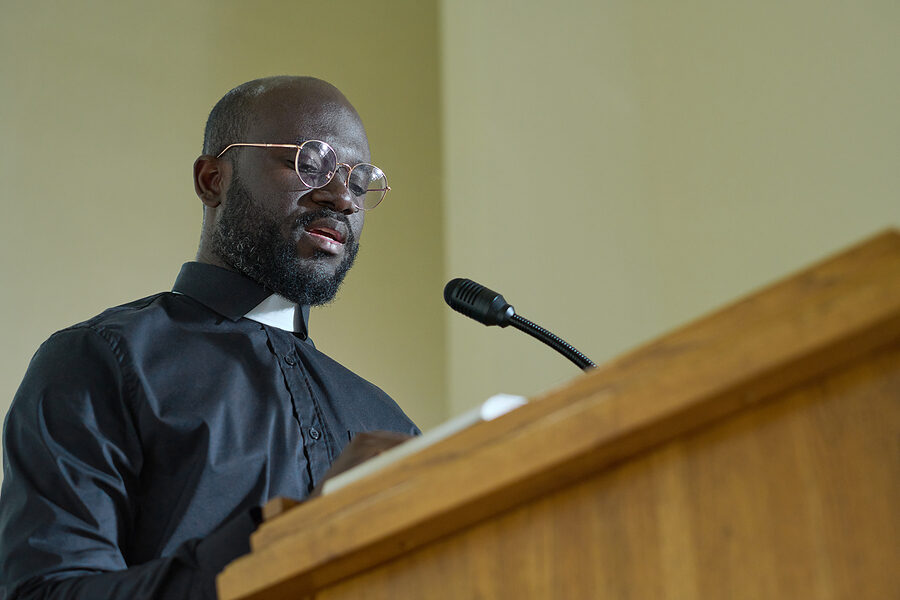
The Power of Spoken Word in Shaping Congregational Culture

The Power of Spoken Word in Shaping Congregational Culture

Words hold immense power to shape your reality and influence those around you. When it comes to your congregation, the way you communicate can make or break the culture you create. You can unleash the power of words to create a remarkable and thriving environment.


The Divine, Church, and Discipleship

Whenever you communicate the faith, you say something about God, the church, and discipleship. Whether you think you are or not. Remember the last sermon or devotional you preached or heard to understand better how your words can have transformational power. Your words have an impact on how the congregation sees themselves and God. You should strive to use language that speaks to your congregants, affirms them, and challenges them towards growth in their faith.


The Role of Spoken Words in Congregational Culture

Communication is the most fundamental tool through which leaders and congregants establish relationships, build trust, and foster connection within the congregation. The way language is used can be powerful in uplifting and motivating the congregation or can bring it down and create division. Many may not imagine the weight of their spoken words and how they influence their congregational culture. Spoken words can shape collective thought, inspire change, and motivate the group to act decisively toward certain values, beliefs, and practices.


How to Use Words to Foster a Positive Culture

Using words that foster positive culture requires knowing your audience. Leaders must know the language used and how it affects their congregation. Here are some tips for communicating with your congregation:

  1. Connect powerfully by listening first – understand your congregation before responding and build meaningful connections between leaders and followers. To establish powerful connections, it is essential to prioritize listening. Before responding, take the time to understand your congregation truly. Doing so can bridge any existing divides and foster open dialogue through attentive listening and interconnected communications. Embrace the foundation of relationship building by showing genuine curiosity about who they are and how their daily environment operates. This approach enables effective communication and strengthens the bonds between leaders and followers.


  1. Master the art of pace – strike the perfect balance between words and silence, giving people time to process your message. Taking a momentary pause can greatly enhance the effectiveness of your message. Mastering the art of pacing and striking the right balance between speaking and silence allows your words to sink in. The speed at which you convey your thoughts can significantly influence how they resonate with others, potentially leading to lasting impressions and driving change. Finding that perfect middle ground bridges communication gaps and allows listeners to absorb and process what you’re saying. So, remember to choose your words carefully and deliver them at the ideal pace.


  1. Speak with clarity and brevity – use words that resonate with everyone in your congregation, regardless of age or background. Brevity and clarity can help maintain fluency and focus. Choose your words with care. Make sure they all matter, each having purpose and power to ensure everybody feels something when you communicate. Crafting your language this way enables a connection across the entire room and sends messages into the hearts of those who need it most.


A positive environment is key to a healthy and productive congregation. Leaders must intentionally create welcoming, respectful spaces and foster positive communication.

I have seen countless leaders who have a heart for mission and who think strategically but have not yet had the opportunity to learn how to use their words in a way that shapes and strengthens their congregational culture. As leaders, it is our responsibility to be intentional with words chosen, and to strive for clarity of intention in everything that is communicated. In Creating a Culture of Renewal®, you are committed to helping church leaders find their voice and the power of your words. You equip leaders with communication skills that uplift and inspire. God’s message can be effectively conveyed in any congregation with the right words.

If you have a passion like me for effective communication, then let me invite you to my upcoming seminar, How Christian Ministries are Achieving Success: An Introduction to Creating a Culture of Renewal®. It will help you as a leader to use language to shape your congregational culture intentionally. I look forward to meeting you there!


Copyright © 2023 rebekahsimonpeter.com.  All Rights Reserved.

Is This Church Ready for Rebuilding?

Is This Church Ready for Rebuilding?

As I worshiped on a recent Sunday morning, I couldn’t help but ponder the question of whether this church, which I’d been attending for over a decade, was ready for rebuilding.

I genuinely appreciate this church. It boasts an excellent downtown location and is filled with wonderful people. However, it has experienced numerous changes: the dismissal of long-time musicians, a well-liked pastor with a hidden addiction, frequent pastoral appointment changes, and the pandemic. While the church once held three services a week, it now only offers one. Many familiar faces have disappeared.

So, can this church rebuild? The answer is both yes and no.

Yes, this church can rebuild if:

  1. The church is willing to SIMPLIFY.

Cut the dead weight: ditch any church ministries without a leader. Lacking a champion, many ministries need help to survive. If the person in charge is no longer available or has lost interest, and nobody else is stepping up, it’s time to say goodbye. If that ministry isn’t serving the church’s purpose and vision, then you might be better off without it. Creating a Culture of Renewal® participant, Pastor Lisa Anderson, saw a boost in attendance just by choosing the right ministries for her church. Plus, she’s got a new Young Adults class in the works and a preschool program that’s already a bona fide hit. Sometimes simplifying is not about doing less, but more about doing something different that will have a better result.


  1. The church embraces SOCIETY.

Don’t let your church get stuck in isolation! Connecting with your community and drawing in those who haven’t heard of your church is crucial. Pastor Lisa took the initiative to open up events like mom group meet-ups, Valentine’s Day dinners, and St. Patrick’s Day celebrations to everyone. Partnering with local businesses and organizations can help you spread the word beyond your walls. It’s all about creating an inclusive environment that welcomes people of all beliefs and backgrounds.

However, it is not just about embracing society; the quality of relationships within your church matters. Pastor Lisa had several significant conversations and interactions that marked a relationship shift. These included discussing disaffiliation, looking at where the church is currently, and celebrating successes together.


  1. The church cultivates SPIRITUALITY.

People are deeply hungry for spirituality that makes a difference. Let prayer and Bible study move you beyond a discussion about God, or a rehearsal of beliefs, into the realm of experiencing God. Getting out of the four walls and into nature can help, too. It’s easy for church life to stray into the mundane. Too much focus on budgets and buildings can tempt you to forget the miraculous. Don’t allow that to happen.

Pastor Lisa focused on prayer, making the church more intentional in writing prayers out and opening the church every week for people to come and pray, providing scripture for reflection.


Ready for Rebuilding?

If the church is willing to simplify its activities, embrace society, and cultivate spirituality, it has a good chance of rebuilding.

However, rebuilding will only be attainable with one more crucial element in place.

It’s not money, younger people, or an ideal location.

The most critical element for rebuilding is a willingness to dream like Jesus. To rebuild sustainably, the church needs a big, bold, God-sized vision – compelling and risky enough to require growth in faith, interdependence, and partnership with God. Only a vision of this magnitude will draw people into the rebuilding phase.

If you are ready to rebuild, join me for my upcoming seminar, “How Christian Ministries are Achieving Success: An Introduction to Creating a Culture of Renewal®,” where, together, we’ll look at what it takes to build a sustainable ministry and create an atmosphere where renewal can occur.

Or join me for a personal consultation and learn how you, like Pastor Lisa, can become a vital part of our Creating a Culture of Renewal® journey. Let the transformation begin!


Copyright © 2023 rebekahsimonpeter.com.  All Rights Reserved.

From Polarization to Purpose

From Polarization to Purpose

For three days in an Airbnb rental in a cozy Atlanta neighborhood, my team and I embarked on a spiritual retreat that led us to reflect on polarization. Nine of us worshiped, laughed, worked, played, ate meals, and envisioned the coming year together.

During our time together, we aimed to build team spirit, share organizational knowledge, and strengthen our commitment to a shared vision of the future. However, it wasn’t all high-mindedness. We gathered during a time of increasing disaffiliation from organized religion. Over the years, we have witnessed a growing divide within the church, exacerbated by various issues such as doctrinal disagreements, cultural shifts, and a generational gap. Our retreat became a space for deep reflection and, at times, complaint.

As we reflected upon, and discussed the issues at hand, we recognized that complaining would simply keep us stuck in the problems rather than move us to take action to address them. As leaders, we must not look away from the hard conversations, but be equipped to handle them with grace and humility.

Consider Pastor Katie Saari, a Creating a Culture of Renewal® participant who excels at handling difficult conversations. Recently, her church has been grappling with issues related to human sexuality, and Pastor Katie has taken the lead in shaping the conversation. Previously, leadership at her church was quiet and driven by the laity. Pastor Katie’s willingness to confront narrow-minded views and endless debates has shifted the discourse toward authentic and meaningful dialogue.

She took what had been a polarizing conversation and used it as an opportunity to build relationships, foster unity, and promote understanding. In leading her church through difficult conversations, Pastor Katie has become a role model for handling divided opinions lovingly. Although polarization can hurt faith communities, it doesn’t have to.

This pattern of complaint and lack of action also existed during Jesus’ time. He lived in an era of religious and political polarization. Sadducees and Pharisees held opposing views on faith, culture, biblical interpretation, and relations with Rome. The Zealots and Essenes had their unique perspectives. Each group related differently to the Temple and envisioned different futures for the Jewish people. Those who didn’t align with any specific Jewish party often went unnoticed. Overall, people were upset, torn, and afraid.

In the midst of this polarization, Jesus stood apart from the prevailing narratives. Jesus uplifted a vision for the future that transcended the divisions of the day. This enabled him to gather a diverse following, including tax collectors, Pharisees, independent thinkers, Zealots, Temple authorities, Romans, and non-Jews.

So how did Jesus achieve this? His vision of the Kingdom of God prioritized ethics over politics.

With Jesus as their guide, the apostles couldn’t simply sit around and complain. They had to move into purposeful action. Inspired by this example, our retreat team shifted from complaint to taking accountable steps, moving away from polarization toward embracing Kingdom ethics. Drawing inspiration from Micah 6:8 (NIV) — “He has shown you, O mortal, what is good. And what does the Lord require of you? To act justly and to love mercy and to walk humbly with your God” — we made concrete written commitments to act justly, love mercy, and walk humbly with God.

Just as partisan politics can be a spectator sport where personal involvement is limited, disaffiliation from the church can create a sense of detachment and disengagement. However, Kingdom ethics requires opening our hearts, minds, and souls to connect with those who have different perspectives and experiences.

This is what Pastor Katie has done in the local church. She led away from division and towards unity. We no longer need to remain in an either/or mindset in most tense situations within the church. Instead, we must learn to embrace both/and solutions. We can provide a space for differing opinions while striving for greater understanding and respect for those different from us. We can use our differences as a steppingstone toward seeking the common good.

When polarization wins, we all lose. But there is an alternative.

There is a way to build thriving church communities that embody God’s love and grace. Join me for a free webinar where I’ll share practical strategies for success and creating a culture of renewal in your ministry.

If you’re ready to work towards transformation together, reach out for a personal consultation to learn how you can be a part of this journey.


Copyright © 2023 rebekahsimonpeter.com.  All Rights Reserved.

Has the Mission of the Church Changed?

Has the Mission of the Church Changed?

In the aftermath of a global pandemic, many churches are reconsidering and redefining their mission. They’ve shifted their focus, bringing the church’s mission into a more tangible and purpose-driven outlook.

But, has the mission of the church really changed?  There are two answers to that question. First answer: no. Second answer: yes. Let’s dive into this conundrum, starting with the “no.”

As followers of Jesus, we are guided by his call to action—the Great Commission. Jesus declared, “I have authority over all things in heaven and on earth. So, go and lead people unto me, baptizing them in the name of the Father, the Son, and the Holy Spirit. Teach them to follow everything I have taught you. Be assured; I will be with you always, even until the end of time.”

Seems pretty straightforward. We are to go far and wide to make disciples, baptize, and pass on what we have learned from Jesus. This is a word-of-mouth endeavor authorized by Jesus himself. In all the centuries since Matthew first wrote these words, these marching orders have not changed.

What has changed, though, is how we make disciples. Due to the pandemic, the current state of the church, disaffiliations, and political disputes, we have had to innovate how we reach people.

It’s no surprise that how we interpret the Great Commission has changed, however, many churches and leaders are not adapting. As a coach and consultant, I work with church leaders at all different stages. Trust me, I know some churches and leaders are not changing, but others are. Pastor Scott Himel is one leader piloting change and Creating a Culture of Renewal® in his local church. Pastor Scott was dealing with issues surrounding insider/outsider culture, achieving success in the church’s outreach, and anxieties from his congregants about returning to in person worship. On top of that, his church was facing a $34,000 shortfall in its annual budget.

However, with some creativity and intentionality, he was able to turn it around.


The Myth that Nothing Should Change

Just because Jesus is the same yesterday, today, and consistently doesn’t mean how we share the Gospel remains the same. It has to change with the times. In the early days of George Whitefield and John Wesley’s preaching, they took their message directly to colliers or coalminers and gathered people in bands and classes to grow in covenantal Christian relationships. Today, people watch YouTube videos or Facebook Live for spiritual sustenance.

The misconception that the church should remain static disregards the need to adapt to a constantly evolving society. Pastor Scott is an example of a church leader who saw the value of creative adaptation.

Volunteers are not just the people you see in the pews on Sunday mornings; sometimes, God has a bigger vision! When he struggled to find dependable and dedicated volunteers, Pastor Scott didn’t give up. Instead, he appointed a remote church member to coordinate volunteer recruitment. This innovative approach not only helped his church thrive; he notes that the volunteers are seeing the missional significance of their service.


It’s Not About Making Your Church Better

Today, many congregations live out disciple-making by focusing on strengthening their church and attracting people to it. In this model, a big, busy, active church equals disciple-making and is seen as the fulfillment of Jesus’ Great Commission. I call this model “the church improvement plan”.

There is nothing inherently wrong with this model; in years past, the church improvement plan of disciple-making worked well. Those years, however, were well over even before the pandemic began. The steady decline of active church participation over the last five to seven decades points to that reality.

But because this model has been so ingrained in the culture of many congregations, it has been hard to let it go. Or to envision what is next. But if you don’t spend time discovering what is next, you will neglect new ways of implementing the Great Commission.

Getting caught up in the grand plan for improving the church is easy, but even small changes can have a significant impact. Pastor Scott recognized this and found that even minor adjustments can lead to a remarkable increase in engagement. As part of his work in Creating a Culture of Renewal®, he launched a new stitchers group which has attracted several women and has seen attendance at the Lay Leader’s once-a-month Coffee grow.

But it’s not just about these visible actions. Behind the scenes, conversations are happening about how the church can provide more opportunities for people to experience a sense of belonging. These conversations highlight the importance of creating a community that nurtures relationships, fosters dialogue, and offers an open space for spiritual growth.


How Do We Make Disciples Today?

As we navigate the post-pandemic world, the question of how to make disciples remains at the forefront of the church’s mission. There are three key areas that we can focus on to move forward: developing fresh expressions, keeping hybrid connections alive, and refreshing our leadership skills.

Initiatives like “Pub Theology” or “Bible and Beer” meetings offer unique opportunities to connect with people and deepen their spirituality in non-traditional settings. Nature, too, can provide a very spiritual setting for gathering. Hiking, camping, talking around a campfire – all of these can bring people together who might be reluctant to meet in a more traditional church environment. Being creative can allow us to meet people where they are and lead them into discipleship through meaningful relationships.

The pandemic has shown us that we don’t need buildings to be the church. By keeping hybrid connections alive, we can continue to connect with people from all over the world. This allows us to break geographical barriers and build fellowship across state lines, regional boundaries, denominations, and leadership roles.

Pastor Scott’s remote volunteer recruitment initiative highlights the importance of refreshing your leadership skills in these times. Staying relevant and connected requires us to learn new ways to navigate relationships, up our emotional intelligence, and adapt to meet people where they are. As Pastor Scott has shown, we can create a vibrant and inclusive community by embracing change and adopting innovative approaches.

If you’re overwhelmed by the challenges facing your church community, know you’re not alone. With creativity, intentionality, and openness, you can transform your ministry and connect with people in new and meaningful ways. To learn more about how to do just that, join me for my upcoming free webinar on “How Christian Ministries are Achieving Success: An Introduction to Creating a Culture of Renewal®.” We’ll explore practical strategies for achieving success and building a culture of renewal to your church ministry.

Together, let’s take the first step towards creating thriving church communities that truly reflect the love and grace of God. Reach out for a one-on-one conversation to discover how you can join me on this transformation journey!


Adapted from “Forging a New Path: Moving the Church Forward in a Post-Pandemic World”, Rebekah Simon-Peter, Market Square Books, 2022.

Copyright © 2023 rebekahsimonpeter.com.  All Rights Reserved.