
Simple Ways Your Church Can Be a Heatwave Haven

Simple Ways Your Church Can Be a Heatwave Haven

Summer has arrived and while we might be dreaming of barbecues and vacations, let’s not forget our most vulnerable neighbors. Extreme weather is a part of the new normal – we’ve all seen the news – deadly tornadoes, devastating storms, the heat dome in the Southwest, and recent news that May was the twelfth straight month of record warm temperatures on the planet.

When temps soar to dangerous levels, we have homes to find comfort in. With a flip of a switch we can turn on the AC and grab a glass of ice water. But what about our unhoused community members who have no shelter? Or those who do, but can’t afford the luxuries most of us take for granted?

Before I discuss some tips to help our vulnerable neighbors during extreme heat, let’s take a look at a common roadblock that might stop you from acting. The misconception that you aren’t equipped to help.


You Can Do This

With limited access to water, shade, and air conditioning, facing extreme heat can be a matter of life or death. Churches are at the forefront of being equipped to help provide relief from the heat. They can become a cool, safe space to find comfort and a chance to rest. It only takes two or three people in short shifts to hand out water and assist with the needs of those suffering from the heat. Many churches also have established relationships with community organizations that can help with both supplies and volunteers.


Simple Ways Your Church Can Be a Heatwave Haven

Here are some simple ways that you can offer relief to those who need it most during this summer’s next heat wave in your area:

First things first: hydration. Dehydration during a heat wave can be deadly. One solution is to offer your church as a water bottle refill station. If the resources exist, hand out reusable water bottles with your church’s information.

If your church isn’t in a location that’s easy for those without transportation to visit, go to them.  Gather a Hydration for the Homeless taskforce and fill a couple of car back seats or pick-up beds with cases of water and reusable bottles, and drive to where you most often see the homeless. Ask those you encounter where others in need might be gathered.

Schedule days and times when your task force volunteers will be out in the community so folks know when to expect you. This can literally be a life-saving mission.


Cool down havens. Does your church have a big hall or a basement that stays nice and cool? It can be opened up as a cooling center during the hottest parts of the day. Offer comfy chairs, board games, and healthy snacks to replenish lost essential nutrients.

Sometimes even a restroom and basic hygiene supplies can go a long way to a person living in the elements every day. Provide a safe space to escape the heat and find some fellowship.

Ask your congregation to donate packages of basic essentials like toothpaste, toothbrushes, disposable wipes, sunscreen, band-aids, and put them in easily portable packets for your guests to take with them when they go.

Again, set a schedule where those in need know when your doors will be open to them.


Remember, we can’t do it all alone! Partner with other organizations in your community. Reach out to local stores for bulk discounts and stock a fridge with cool, refreshing water. Homeless shelters, soup kitchens, and social service agencies are often overwhelmed and understocked during the summer months and could use some help.

Ask what they need most and organize a donation drive.


And let’s not forget the power of a listening ear. A kind word, a friendly face – sometimes that’s all it takes to make someone feel seen. Encourage your congregation to volunteer at the cooling center, or simply chat with folks who come in for a refill. You never know, a conversation might be the first step towards getting someone the help they need.

And ASK! The homeless, and those whose finances don’t allow for air conditioning and other essentials during the hot summer months, know what they need most. It’s not about grand gestures, it’s about showing up with open hearts and helping hands. Cooling those less fortunate during these very hot summer months is love in action.


Want to take the next step in engaging your congregation and community outside of worship? Readiness 4 Renewal is a group coaching opportunity that will empower you to enrich your congregation and community in ways that you might not have imagined. My Senior Faculty member, Bonnie Marden, is offering a 30 minute Discovery Session if you’d like to learn more about impacting your ministry, your congregation, and your community.


Copyright © 2024 rebekahsimonpeter.com.  All Rights Reserved.
Bridging the Generation(al) Gap

Bridging the Generation(al) Gap

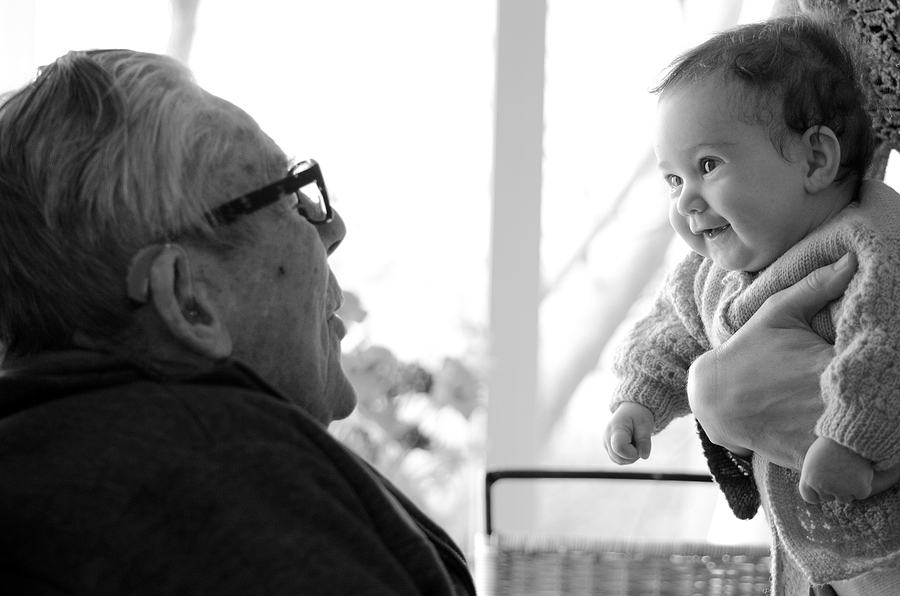
We know that there are significant benefits to younger generations interacting with their predecessors. Children learn empathy and compassion from their elders. And the little ones bring energy, joy and fresh perspectives to the senior generations.

Older children and teens, too, benefit from intergenerational activities.  Youth can sometimes feel a little left out – too old for the extra attention given to the littles, but not yet able to take part in adult activities. Their experiences with the elderly are essential and can create lifelong friendships.

Sadly, except in grandparent/grandchild situations, the two ends of the age spectrum – those closest to birth and those closest to death – rarely interact. To the detriment of both groups.

Before I suggest ways to create a more vibrant church community, let’s expel a common myth about the generation gap. The myth that this gap makes it impossible for younger and older people to work together effectively.


Cross-Generational Conundrum

The idea that the generational gap in churches makes it impossible for younger and older people to work together effectively can manifest in beliefs like:

  • Younger generations aren’t interested in church: This overlooks the many young people who are actively involved in faith-based activities and service.
  • Older generations don’t understand new ideas: This ignores the many older adults who are open to new approaches and value the energy younger people bring.
  • They have different communication styles: While there may be some differences, open communication and a focus on shared goals can bridge these.

This myth can be harmful because it hinders collaboration and prevents churches from benefiting from the strengths of all age groups.


A Multi-Generational Shift

We may be comfortable doing comfort ministries, but will that cut it when it comes to creating vibrant, multi-generational congregations? The truth is, we HAVE multi-generational congregations; they just aren’t necessarily vibrant. And sometimes, we have clusters of generations at opposite ends of the age spectrum with large gaps in the middle.

It takes a special kind of emotional intelligence to work with multiple generations. Many church leaders have learned this skill for their own congregations in my three-year leadership development program, Creating a Culture of Renewal®. One of these leaders, Rev. JoAnne Holder of Mt. Plymouth African Methodist Episcopal Church in Felton, Delaware, came into Creating a Culture of Renewal® wanting to adopt and adapt her leadership style to better serve her congregation and community.

After completing her first year in the program, Rev. Holder learned that her congregation, with congregants ranging in age from 90 years to 5 years, were very eager to be in worship, to learn about the Lord, and to learn from each other. Rev. Holder applied what she learned about emotional intelligence across generations and as a result “I believe I have become a better leader and can happily report that we are growing again.” Rev. Holder uses challenge ministries to connect the multiple generations in her church, and the result has been a vibrant change to the culture of the worship community.


Creating Connections

You likely have multiple generations in your pews. But are they all as engaged as they could be? Especially your elders and little ones? Do they feel like the service is for them?

And, what about after the service is over? Or throughout the week when shut-ins, especially, can feel cut off and lonely? Feeling a part of their spiritual community is essential to good mental health and happiness.

Let’s look at some effective ways to connect the intergenerational dots:

1) Try pairing older, reading-aged children with seniors for scripture readings or announcements. This gives each of the pair an important role in your service, and your congregation a less structured, more relaxed, experience.

By practicing the readings together, intergenerational bonds of friendship and connection start to grow.

2) If you typically do a “children’s church” lesson, share the practice with some of your senior congregants. Let them choose the lesson and how they’ll present it. Encourage them to be creative and find skills to teach the younger generations.

 3) If you have coffee and donuts after worship in your fellowship hall, gather a youth volunteer team to help. Have them serve your seniors, especially those alone or widowed.

And not just serve them but sit with them and chat! Have them get to know each other as people. 

4) Try a monthly craft time. So many seniors have valuable arts and crafts skills they can teach the children and youth. Then they can share their creations with a local nursing home, or those in the hospital.

Learning the joy of giving is an invaluable gift for a child. One that can last a lifetime.

5) There are many invaluable everyday skills that senior congregants have knowledge of and can pass on. This could look like gardening, baking and cooking, or even teaching the children how to fix a leaky faucet or do a load of laundry.

6) And don’t forget your shut-ins. All of your church’s elders won’t be there on Sundays, in the Fellowship Hall, or engaging in church activities. Have your older children and youth visit shut-ins with the help of parents or guardians. Stress the importance of being good listeners while sharing their own life experiences. They can bring some of the crafts they created as gifts.

Bring the littlest ones along to share their joy. A bubbling baby can turn a shut-in’s lonely day into a cherished memory.


Bridging the generation(al) gap can make a world of difference to both ends of your congregation’s age spectrum. And not only for them, but for the health, growth, and transformation of your ministry and congregation. I’d love to hear how these, or your own intergenerational ideas, worked in your church!

Christian ministries are growing and transforming their congregations and communities in amazing ways. Find out more through my free seminar “How Christian Ministries are Achieving Success”.


Copyright © 2024 rebekahsimonpeter.com.  All Rights Reserved.

4 Ways to Make the Best of the Next Crisis

4 Ways to Make the Best of the Next Crisis

The past four years have forever put to rest the notion that churches can’t flex and adapt. In fact, the pandemic showed that churches could successfully pivot on a dime. Increased adaptability, resilience, and creativity were all positive outcomes. For this reason, many churches did not suffer the losses that might have been expected during such drastic change. We’re not done with crisis, though. We have a contentious presidential election before us, the impacts of AI, and ongoing structural inequities. The second largest Protestant denomination in the US (the UMC) recently lost 25% of its churches during a split. How can you be ready for the next calamity? Read on for the 4 ways to make the best of the next crisis.


Are the Best Days Behind You?

Before I share the 4 ways to make the best of the next crisis, let’s address one persistent stumbling block, head on. This stumbling block is the belief that crisis means the best days are behind you. That the future is no longer hopeful. And that it’s all downhill from here. This belief becomes a roadblock to recovery. It prevents you from seeing new opportunities and unexpected openings, or to sense God’s blessing around you.


We Had Entered Into the Best Days of Our Ministry Yet

I hate to admit it, but when the pandemic shutdowns first began it felt like the end of the world to me. How will we get through this when community is what we most need, I wondered? How will my ministry survive when we have depended on in-person gatherings? I was quickly losing heart. But I began to speak to friends who were starting new jobs, getting promotions, and even moving across country. It was a jarring sense of abundance amidst a narrowing of my own vision. It prompted me to catalogue the following guidelines. My team and I met, and figured out a way to put everything online. And we had entered into the best days of our ministry yet.

Here are the four guidelines that we followed, that allowed us to not only survive, but thrive, in the midst of very tough times.


4 Ways to Make the Best of the Next Crisis

1) Learn from The Past

During the pandemic, many churches quickly moved online. They distinguished between owning a building and being the church. Church leaders and members expanded their sense of agency and acted quickly in the face of need. In fact, the pandemic did for congregations what they could not do for themselves. In a pinch, churches finally made the changes that they had needed to make for decades.


 2) Reframe the Negative

A pandemic seems like a negative. Same with waves of disaffiliations and the loss of congregations. Same with contentious presidential politics. And AI. And persistent inequities. But what if each of these crises actually carry the seeds of innovation? What if each of these challenges carry within them the genesis of blessing? When you actively choose to reframe the negative, the positive can appear that much sooner. Being on the lookout for blessings allows you to innovate with speed. This is part of tapping into Jesus’ miracle mindset.


3) Build on New Strengths

A leader that I coach had to navigate lawsuits, file appeals, and appear in court as disaffiliations took on dimensions he couldn’t have anticipated. This leader is tired, yes, but stronger and smarter than ever. Each crisis will draw on skills you already have, even as you build new strengths.


 4) Take Ownership

In a crisis, it can be easy to feel like a victim. Especially when things aren’t going your way. The best way to get through a crisis is to take ownership of what is yours to do. No, you can’t change all the circumstances around you. But you can take ownership of your feelings, your mindset, your reactions, and your prayer life. This will take you a long way toward being more effective and more resilient.


Next Steps

As we look towards Holy Week, remember the God of miracles. Jesus caused the blind to see, healed the leper, and cast out demons. Your crisis is not big enough to stop the God of miracles. Unless you insist on staying stuck.

As we approach the days ahead, let us grow in resilience as we practice 4 ways to make the best of the next crisis. Cultivating resilience in your congregation and your life is possible. It calls for conscious leadership. Come to Elevate Your Ministry: An Introduction to Conscious Leadership to learn about the importance of mastering your mindset, awakening your spirituality, and becoming an intentional visionary.


If you want input on your ministry, click here for a free one-on-one 45-minute Discovery Session with me.


Copyright © 2024 rebekahsimonpeter.com.  All Rights Reserved.

3 Ways You Can Adopt Jesus’ Miracle Mindset

3 Ways You Can Adopt Jesus’ Miracle Mindset

Jesus was best known as a miracle-worker. In fact, the Gospels report that Jesus performed a total of 37 miracles in 3 short years. And those are just the miracles that were recorded. That’s more than one miracle per month. Wouldn’t it be great if your church could be known for miracles too? I’m not talking about TV evangelist-style miracles. I’m talking about your church being a place where the seemingly miraculous becomes a regular occurrence. The Spirit moves during worship. Bible studies transform lives. Prayers are answered. New worshipers return again and again. Baptisms outnumber burials. The community turns to you as a trusted partner. Money is available in abundance. Vision sets the agenda for meetings. For most churches, this state of affairs would indeed be miraculous. In this article I’m going to explore 3 ways you can adopt Jesus’ miracle mindset so that renewal becomes a reality.


Why Do Churches Lose a Miracle Mindset?

Survival has become a key feature of church culture in decline, along with resignation, resistance, and reluctance. That’s because they have let Jesus’ miracle mindset lapse. They wouldn’t mind if a miracle happened, they just don’t orient themselves toward participating in it.  The further away a church is from being dream-driven and vision-led, the further away it is from Jesus’  miracle mindset. A culture of renewal, on the other hand, is a culture that is identified by miracles.


The Myth that Faith is No Longer Required

A myth that is crippling church vitality is the myth that faith is no longer required when it comes to decision-making or missional activity. Or that the miracles are unrealistic. The inherent problem with these myths is that people rise to the level of expectation you set for them. So if faith is no longer required for the effective functioning of the church, or miracles are deemed impossible, then you have effectively lowered expectations to a comfortable level. That spells death for vitality because lowered expectations means that people have nothing to rise to. Let go of this myth before it cripples the church.


Adopt a Miracle Mindset

Last month, I was speaking with a group of clergy eager to be encouraged in this season of stress. One question I was asked has stuck with me. “If you could do just one thing to help a church get ready to change, what would you do?” I thought about it and said, “I would adopt a miracle mindset. A miracle mindset is what helps us align with Jesus’ intentions. Talk about the miracles. Pray about the miracles. Lift up the miracles in worship and in prayer.” This isn’t the answer the clergy expected. However my answer spurred a lot of discussion about how the church has lost hope in the God of Miracles.  One pastor commented that she wanted to do a sermon series on Jesus’ miracles, stating that as a more progressive congregation they hadn’t given the miracles much thought lately. I get it. However, no matter your views on science, faith, and biblical inerrancy, returning to the realm of the miraculous is a deep reservoir of inspiration from which to draw hope and renewal.


3 Ways You Can Adopt Jesus’ Miracle Mindset

  1. Stop complaining. Complaining signals that things aren’t good, that you are dissatisfied, that things aren’t working and that they aren’t going to work out. The trouble with complaining is that you will not notice the movement of God or the unfolding miracles around you. Please note that when I say to stop complaining, I’m not saying don’t address problems like racism or sexism. But complaining isn’t the same as taking action. It’s just making noise. As one pastor aptly noted, “There comes a time in which critical thought unfettered leads to cynicism.”


  1. Personalize the Miracle Stories. Choose 3 miracles of Jesus and personalize them, inserting either your name or the name of the church for the protagonist. Listen for how the miracle speaks to you in a new way. Let Jesus invite you into the story, and prompt you on next steps.


  1. Say Yes to the Prompting of the Spirit. One way I know that God is inviting me to participate in the miraculous is when I get a seemingly random thought. I used to shoo these thoughts away, considering them annoyances. Once I began to pay attention to them, I was able to participate with God in some greater unfolding.


NEXT STEPS

Finding a new aspiration for your church is possible, and it doesn’t mean lowering expectations about faith and miracles. But it does call for Conscious Leadership. Come to Elevate Your Ministry: An Introduction to Conscious Leadership to learn about the importance of mastering your mindset, awakening your spirituality, and becoming an intentional visionary.

If you want input on your ministry, click here for a free one-on-one 45-minute Discovery Session with me.


Copyright © 2024 rebekahsimonpeter.com.  All Rights Reserved.
4 Key Principles for Laity-Led Church Revitalization

4 Key Principles for Laity-Led Church Revitalization

Spotlight on Certified Renewalist, Courtney Stotler


Revitalizing a church community is often seen as the responsibility of pastors, but Courtney Stotler’s story challenges this notion. Courtney, the administrative council chair, is an example of what can happen when laity leaders are willing to step up and engage in new levels of leadership. In this week’s blog, I will spotlight Courtney’s 4 key principles for laity-led church revitalization.

Courtney noted, “I felt things had become ‘stagnant’ and were plateauing – even maybe declining.  I felt that surely a 3-year program would teach us how to revive things, and how to do so in a lasting way.  I was also interested personally in growing as a leader.  I am a lay person with a full-time job outside of the church, and I serve as a leader of the organization that I work for.  I thought that it would be great to grow my leadership skills for work, in addition to the church.”

By following four key principles, Courtney was able to help the church rebound and cultivate a culture of growth. As her story demonstrates, laity-led revitalization is possible for any church community. Presented below are the four critical principles distilled from her transformative journey.


Principle 1: Laity Can Be Leaders, Too

Courtney started her journey in Creating a Culture of Renewal® along with her pastor and a fellow lay member. She already knew that she was a goal-oriented person with strong ambitions. Through the Everything DiSC® Workplace profile, Courtney learned she is a strong “iD” style and that her priorities are results, actions, and enthusiasm. Her leadership style is energetic, fast-paced, quick to act, and can be controlling. She came to realize that one of her biggest fears was a lack of control.

In her first year, Courtney learned a lot about DiSC® and people reading, which she found fascinating. Courtney reflects, “Learning about the Platinum Rule, and putting it into practice, was powerful.  I learned that my active, fast-paced style could be overwhelming and off-putting to other styles.  I could see how this was actually hindering me from getting the results that I wanted.”

During her second year, Courtney continued to learn more about communication and leadership styles. The Everything DiSC® Work of Leaders profile showed her the best practices of remaining open, prioritizing the big picture when driving a vision, practicing active listening, and taking the time to test assumptions.  Through mentoring another participant, she also grew in her leadership skills and strengthened her ability to hold others accountable.

Courtney continued to hone the skills that she learned during her third year in Creating a Culture of Renewal®.  By practicing alignment and gaining buy-in, Courtney was able to utilize structured messaging, explain rationale, and exchange perspectives. She also grew in her ability to structure a plan, address problems, and learn the value of offering consistent praise.

Takeaway: Recognize and embrace your leadership potential. Access available programs and training to equip yourself with the necessary leadership skills within your church community.


Principle 2: Shared Vision Isn’t Just a Pastor’s Job

Courtney understood this. “My pastor, buddy, and I worked together with the Visioning Team to create an overarching vision.”

Their dream was of a community whose body, mind, heart, and spirit are fed through the love of Christ. It involved not just their church members, but the flourishing of the whole community.  It assumed that the whole community could be ‘fed’, expanding their reach from inside to outside the church walls, while unifying and bringing people together.

Courtney collaborated with the Visioning Team to study her congregation’s culture and took a hard look at worship, comfort vs. challenge ministries, differences between generations, and the shadow mission. They asked three questions:  1) what brings us great joy; 2) what resources does our church have to share; and 3) what are people in our community hungry for?  By taking time to test assumptions, and inviting key community leaders from outside the church to join us in the discussion, Courtney and the Visioning Team co-crafted the dream of their congregation.

Takeaway: Laity play a vital role in shaping the church’s future. By working with fellow members and clergy, you can build a shared vision that encompasses the entire community’s aspirations.


Principle 3: Individual Initiatives Can Align with the Church’s Broader Vision

In the process of crafting a church-community vision, Courtney established her own vision.“My vision,” writes Courtney, “is to ‘Fill the Gap’ – an equal chance for success for all local students through mentoring and support of graduating seniors that are first-generation college students.” Her community is racially diverse with many families living below the poverty level.  In addition, many students graduating from the local high school are first-generation college students.  Statistically, only 20% of first-generation college students complete their degrees. She knew that a college degree has the power to end the cycle of poverty in a family forever.  An adult with a college degree earns nearly $1.2 million more over a lifetime than their counterpart with only a high school diploma.

Courtney was able to cast this vision with her Visioning Team, as well as the whole congregation through a weekly newsletter.  She met with several key people inside and outside the church which brought additional perspectives and helpful feedback. By testing assumptions with school board members, school counselors, and social workers, new ideas and revisions were made.  There was some push back, but Courtney was able to exchange perspectives, address problems, and draw boundaries where necessary.  “I even cast my vision with our Youth Sunday School class – and got some great and unexpected feedback!”

As a result of this work of building alignment, unexpected people became engaged and participated in various ways, including young adults, older adults, and people that had been first-generation college students themselves.

Takeaway: Consider how your distinctive skills and passions can contribute to your church’s vision. Your endeavors have the potential to create a remarkable impact.


Principle 4: Execution of a Vision Brings Miracles

In Courtney’s church, active participation has grown.  Worship attendance is increasing, 2 confirmands are finishing confirmation classes, a children’s choir has started, plans are underway for Summer Sunday School, and the congregation’s dream was co-created with input of over 25 members. The Quality of relationships has improved. There are active prayer and covenant groups, opportunities for children and youth to participate in activities of the church, online worship for greater participation, and community stakeholders attending church activities and partnering in ministry.  Giving continues to grow.  They paid 100% of their apportionments for the year already and received a grant for Freedom School.  Worship has become more intergenerational.  New ways to facilitate prayer requests are being developed, to expand reach and utilize new technologies.  New ministries are forming, and existing ones are expanding.  And the pastor and the congregation were named “Citizen of the Year” by the local school district for the work they have done and the work they have planned to support the community.

Takeaway: When you bring a new vision to life, miracles show up in every area of congregational life. It’s worth the risks involved.


Courtney Stotler’s experience in the Creating a Culture of Renewal® program breaks the stereotype that only pastors can lead church revitalization. Her journey shows how laity can effectively contribute by embracing leadership, participating in vision-building, aligning individual initiatives, and the miracles that come. These four principles can inspire and guide other lay members looking to play a vital role in their church’s revitalization.

To master and apply these skills in your community, I cordially invite you to join me for an upcoming seminar titled “How Christian Ministries are Achieving Success: An Introduction to Creating a Culture of Renewal®.” This seminar offers a hands-on opportunity to delve deeper into these principles and practice implementing them within your church community. Join me as we embark on a transformative journey to revive our churches.


Copyright © 2023 rebekahsimonpeter.com.  All Rights Reserved.


4 Principles to Revitalize Church Communities

4 Principles to Revitalize Church Communities

Spotlight on Certified Renewalist, Rev. Dr. Becca Girrell

Leadership is not a one-size-fits-all formula. It requires a balance of self-awareness, community engagement, and visionary thinking. Rev. Dr. Becca Girrell, a recent grad of Creating a Culture of Renewal®, is a newly credentialed Certified Renewalist serving as a pastor in New England. Her work has been a shining example of what great leadership can do. Together with her team, her incredible journey has set a blueprint for Christian leaders seeking to renew their congregations and communities. In this spotlight on Certified Renewalists, I would like to share the 4 principles she embodied to revitalize her church and community. But first, let me introduce you to Rev. Becca.


From COVID to Community

Rev. Becca was newly appointed to United Community Church of Morrisville VT during COVID-19 lockdowns. All worship services and meetings were conducted through Zoom. As you can imagine, settling into this new environment without the usual opportunities to foster relationships proved challenging. Nevertheless, Rev. Becca was determined to create community.

Over the course of her three-year stint in Creating a Culture of Renewal®, Rev. Becca and her leadership team developed a Kingdom-oriented vision, “We connect people to the resources they need with the dignity they deserve by using all of our space and resources for God’s mission.”

As a result, the congregation connected with the community through “Breakfast on Us” serving 50+ meals per day, Monday-Friday, and regular community dinners serving 75+ meals each time.

In addition, the church partnered with healthcare teams, rural resource navigators, and more than half a dozen organizations to make their services available at the church several days a week. By popular demand, the church provided Narcan training to help combat the opioid epidemic.

What happens when a church uses all of their space and resources for God’s mission? Not only does the community experience renewal, but so does the congregation!


A Reinvigorated Church

United Community Church of Morrisville VT has been reinvigorated. Even as missional engagement has soared, worship attendance—both in person and online—has increased while congregational giving—both plate giving and missional giving—has grown by 36%!

The miracles haven’t stopped there.  Since completing Creating a Culture of Renewal®, Rev. Becca applied for and was awarded a multi-year development grant in the amount of $10,000 a year for the next three years that will continue to fund the Community Resource Hub. The church also responded to area flooding by becoming the go-to place for resources. This opened the doors to additional disaster relief grants and donations in the amount of $17,000.

Let’s look at the four  principles Rev. Becca used during her time in Creating a Culture of Renewal® to achieve success.


Principle 1: Grow in Self-Awareness

To grow as a leader, one must know one’s strengths and weaknesses.  In Creating a Culture of Renewal®, we use the Everything DiSC® suite of profiles. Rev. Becca was able to use this valuable assessment to gain insight into her communication style. During her first year in Creating a Culture of Renewal® as she grew in self-awareness, she could tailor her approach to better relate to her team. That includes those with strong personalities that had caused friction in the past. “I found knowing the DiSC styles of my group to be a very helpful way to get to know the key people at church,” reflects Rev. Becca, “Skills like people reading and understanding congregational culture were also assets, especially as I got to know a new congregation in my first year. I was worried about starting CCR at the right or wrong time. But there is no wrong time.”


Principle 2: Move People to Dream Like Jesus

Creating a church improvement plan is often as far as most congregations get when thinking about vision. But United Community Church of Morrisville VT, with the leadership of Rev. Becca, dared to dream like Jesus.

Their vision was to create a community hub that would address systemic issues. They wanted to reduce poverty-related suffering and create equitable access to services. At the same time, they realized that “an empty church is not a sacred use of space.” Instead, they dared to use their building to co-create miracles with God for others.

A Jesus-sized vision for the community is not an easy task. But Rev. Becca has shown that when Christian leaders clearly understand their purpose the result makes a lasting difference.


Principle 3: Connect Impact and Funding

Often, churches have a finite view of money for missions. But United Community Church of Morrisville VT’s  strong vision unified the congregation and community and drew external support. Rev. Becca and her team found the resources to help those who may have been passed over by other organizations. “Through the partnerships and connections we made by casting this vision and seeking alignment with it,” Rev. Becca adds, “we submitted the grant application with a letter of support signed by 12 community partner organizations and 4 interfaith clergy. This huge demonstration of alignment and buy-in from a wide community was essential to our being awarded the grant.”

Their success highlights the importance of connecting with outside resources to help fund efforts for the church.


Principle 4: Embrace Change

Authentic Christian leadership involves trusting in the provision and faithfulness of God. Even in the midst of intense change. A significant principle that Rev. Becca firmly held onto was the necessity to embrace change. The onset of the pandemic brought unforeseen challenges, and adapting to the new normal was not mere choice but necessity. Rather than viewing these changes as obstacles, Rev. Becca saw them as opportunities to innovate and reimagine how the church could serve and connect with its community. Her flexible approach allowed the church to continue its mission under changing circumstances, reinforcing the idea that embracing change is about finding new avenues for growth and community service.


Certified Renewalists Make a Difference

We’re so proud of Rev. Dr. Becca Girrell and the United Community Church of Morrisville VT. Together they have exemplified vision and leadership with grace, courage, and humility. They are an inspiring reminder of the power of God’s presence in our lives, no matter what challenges we face. It’s also a reminder that Certified Renewalists make a difference.

If you want to experience the same kind of transformation and create a culture of renewal in your congregation and community, consider registering for a free How Christian Ministries are Achieving Success: An Introduction to Creating a Culture of Renewal® seminar. Through Creating a Culture of Renewal®, you can empower people, love your community, and dare to dream like Jesus to transform the world. Let 2024 be your year of transformation!


Copyright © 2023 rebekahsimonpeter.com.  All Rights Reserved.